



A Beginner’s Guide to IPTV in Canada
Internet Protocol Television (IPTV) has revolutionized how Canadians consume entertainment, offering a flexible alternative to traditional cable services. This technology streams television content through internet protocols rather than conventional broadcast methods, providing on-demand access to thousands of channels and content libraries that cater to diverse viewing preferences.
Looking for a reliable iptv provider can be challenging with the growing number of services in Canada. The landscape of IPTV options continues to expand, offering Canadians more choices than ever before. From legal services like Bell Fibe TV and Rogers Ignite TV to third-party providers, understanding the fundamentals will help you make an informed decision that suits your entertainment needs and budget.
Foundational Knowledge
IPTV (Internet Protocol Television) fundamentally differs from traditional television broadcasting by delivering content through internet protocols rather than through conventional satellite or cable formats. Unlike traditional broadcasting where viewers are limited to watching scheduled programming, IPTV transforms this experience by transmitting television signals as data packets over IP networks.
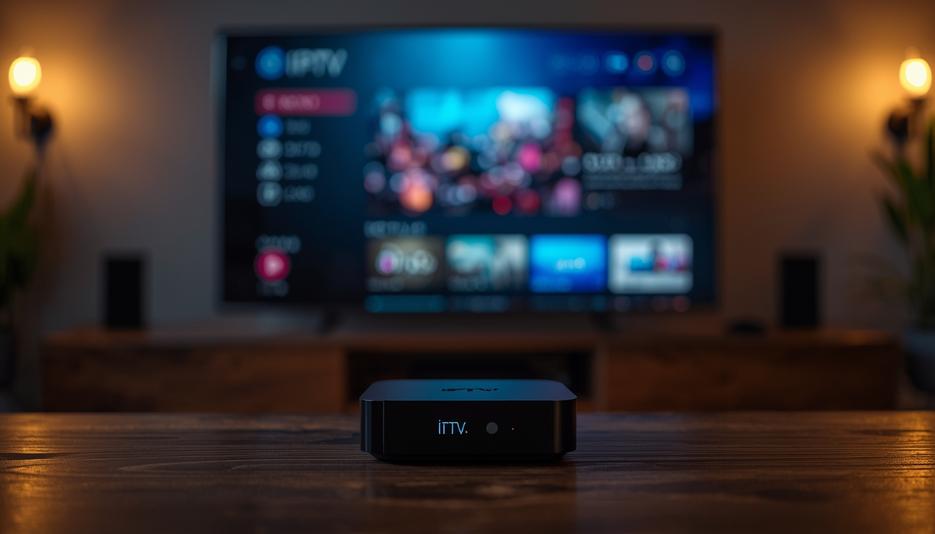
At its core, IPTV requires a broadband internet connection, a compatible device (such as a smart TV, computer, smartphone, or dedicated IPTV box), and a subscription to an IPTV service. The technology works by breaking down video content into data packets that are transmitted through the internet and then reassembled on your viewing device. This method allows for greater flexibility in content delivery and consumption.
In Canada, IPTV services operate within a specific regulatory environment. The Canadian Radio-television and Telecommunications Commission (CRTC) oversees broadcasting and telecommunications, including IPTV services. Major telecommunications companies like Bell, Rogers, and Telus offer legitimate IPTV services that comply with Canadian content regulations and copyright laws. However, there are also numerous third-party IPTV providers that operate in a legal gray area.
Understanding the distinction between legal and unauthorized IPTV services is crucial. Legal services have proper licensing agreements with content creators and distributors, while unauthorized services may stream content without appropriate rights or permissions. Using unauthorized services can potentially expose users to legal risks and typically doesn’t contribute to the Canadian content ecosystem that supports local production.
The technology behind IPTV continues to evolve, with improvements in streaming quality, reduction in latency, and enhanced user interfaces. Modern IPTV services in Canada now commonly offer 4K resolution content, multi-device support, and sophisticated recommendation systems powered by artificial intelligence.
Key Features / Benefits
IPTV offers Canadians several distinct advantages over traditional television services that make it increasingly popular among viewers seeking flexibility and customization in their entertainment options.
On-Demand Content Access: Unlike scheduled programming on cable TV, IPTV provides extensive video-on-demand libraries. This allows viewers to watch their favorite shows and movies whenever convenient, eliminating the need to plan around network schedules. For busy Canadian households, this time-shifting capability represents a significant lifestyle improvement.
Multi-Device Compatibility: Modern IPTV services support viewing across various devices including smart TVs, computers, tablets, and smartphones. This cross-platform flexibility means Canadians can start watching content on their living room TV and continue on their phone while commuting on public transit or waiting for appointments.
Cost Effectiveness: Many IPTV solutions offer more competitive pricing compared to traditional cable packages. Without the infrastructure costs associated with cable installation and maintenance, providers can often deliver more content at lower price points. For budget-conscious Canadians, this represents significant potential savings without sacrificing entertainment options.
Content Diversity: IPTV opens access to international programming that might not be available through conventional Canadian broadcasting. This is particularly valuable in Canada’s multicultural society, where many residents seek content in languages other than English or French, or programming from their countries of origin.
Interactive Features: Modern IPTV interfaces offer enhanced features like content recommendations, sophisticated search functions, and interactive program guides. Some services even integrate social media features, allowing viewers to share and comment on content they’re watching, creating a more engaged viewing experience.
High-Definition and 4K Streaming: As Canadian internet infrastructure continues to improve, particularly in urban centers, IPTV services can deliver consistently high-quality video, often exceeding what’s available through traditional broadcasting methods. The availability of 4K content continues to expand, providing superior visual experiences for those with compatible displays.
Recording Capabilities: Many IPTV services include cloud DVR functionality, allowing viewers to record multiple programs simultaneously without additional hardware. This content is then stored in the cloud rather than on a physical device, making it accessible across multiple devices and eliminating storage concerns.
For Canadian consumers increasingly accustomed to on-demand digital services in other aspects of their lives, these features align well with evolving expectations for entertainment delivery and consumption.
Detailed Guide
Setting up IPTV in your Canadian home involves several straightforward steps that will have you streaming content in no time. This comprehensive guide walks you through the entire process from selecting a service to optimizing your viewing experience.
Step 1: Assess Your Internet Connection
Before subscribing to any IPTV service, verify your internet speed and reliability. For standard definition content, you’ll need at least 3-5 Mbps; for HD content, 5-10 Mbps; and for 4K streaming, a minimum of 25 Mbps is recommended. Most urban areas in Canada offer suitable connections through providers like Bell, Rogers, Telus, and Shaw. Use online speed test tools to confirm your current bandwidth.
Step 2: Choose the Right IPTV Service
In Canada, you have several options:
– Traditional telecom IPTV services (Bell Fibe TV, Telus Optik TV, Rogers Ignite TV)
– OTT streaming services (Netflix, Amazon Prime, Crave, Disney+)
– Virtual multichannel video programming distributors (VMP Ds) like Stack TV or fuboTV
– Third-party IPTV providers
Consider factors such as content offerings, device compatibility, simultaneous stream limits, and pricing. Many services offer free trials—take advantage of these to test compatibility with your setup.
Step 3: Select Compatible Hardware
You’ll need one of these devices to access IPTV:
– Smart TVs with built-in apps
– Dedicated IPTV boxes (MAG boxes, Formuler, Buzz TV)
– General streaming devices (Apple TV, Roku, Amazon Fire Stick, Google Chromecast)
– Computers, tablets, or smartphones
Each option offers different advantages in terms of interface, processing power, and ease of use. For the best experience, dedicated IPTV boxes often provide the most streamlined interface for channel surfing.
Step 4: Installation and Setup
The setup process varies depending on your chosen hardware and service:
1. Connect your device to your TV (if applicable)
2. Ensure the device is connected to your home internet (via Wi-Fi or ethernet)
3. Download the appropriate app or configure the IPTV client
4. Enter your subscription credentials
5. Configure settings for optimal performance

Step 5: Customize Your Experience
Most IPTV interfaces allow for personalization:
– Create favorites lists for frequently watched channels
– Set up parental controls if needed
– Adjust video quality settings based on your internet capability
– Configure DVR or recording options
– Set up profiles for different household members
Step 6: Learn Navigation Basics
Familiarize yourself with the electronic program guide (EPG), search functionality, and content categorization. Understanding how to efficiently navigate your service will greatly enhance your viewing experience. Most modern IPTV interfaces are intuitive, but each system has its own unique features worth exploring.
Step 7: Understand Canadian Content Rules
Be aware that legitimate IPTV services in Canada comply with Canadian content regulations, which require a certain percentage of programming to be Canadian-produced. This ensures support for the domestic entertainment industry while providing viewers with locally relevant content.
By following these steps, you’ll be well-equipped to enjoy the flexibility and extensive programming options that IPTV brings to your Canadian household.
Advanced Tips
For Canadian IPTV users looking to elevate their streaming experience beyond the basics, implementing these advanced strategies can significantly enhance performance, security, and content discovery.
Optimize Your Network Configuration: Consider creating a dedicated VLAN (Virtual Local Area Network) for your IPTV traffic to minimize interference from other connected devices. Prioritizing IPTV data packets through QoS (Quality of Service) settings on your router can prevent buffering during peak usage hours. For multi-story homes, mesh Wi-Fi systems like Bell’s Whole Home Wi-Fi or Rogers’ Ignite Wi-Fi Hub provide consistent coverage throughout your space.
Implement VPN Solutions Strategically: While VPNs can provide additional privacy and potentially access geo-restricted content, they may also reduce streaming speeds. If using a VPN, select Canadian servers to minimize latency, and consider VPN services with split tunneling features that allow IPTV traffic to bypass the VPN for optimal speed. Remember that using VPNs to access content not licensed for Canada may violate terms of service.
Explore Advanced Remote Control Options: Move beyond standard remotes with voice-controlled options compatible with Google Assistant or Amazon Alexa. For power users, programmable remotes like Harmony Elite can integrate your IPTV system with other home entertainment components. Smartphone remote apps often provide keyboard functionality for easier searching and content discovery.
Leverage External Storage Solutions: For services with download capabilities, connect external storage to expand your content library. Network Attached Storage (NAS) devices can create a centralized media server accessible by all IPTV devices in your home. This approach is particularly valuable for Canadian cottages or locations with limited internet connectivity.
Customize EPG (Electronic Program Guide) Display: Many advanced IPTV boxes allow for personalized guide layouts, time intervals, and channel ordering. Creating custom channel groups based on viewing preferences (sports, news, family programming) can streamline navigation and content discovery.
Utilize IPTV Multiscreen Capabilities: Configure simultaneous streaming to multiple devices for household viewing flexibility. Some advanced setups support synchronized playback across devices—ideal for larger Canadian homes where viewers might move between rooms while watching content.
Implement Backup Solutions: To ensure continuous service during internet outages (which can occur during Canadian winter storms), consider configuring a cellular failover system. Some advanced routers can automatically switch to mobile data connections when primary internet service is disrupted.
Explore Integration with Smart Home Systems: Connect your IPTV system with platforms like HomeKit, SmartThings, or IFTTT to create automated routines. Examples include dimming lights when playing content, pausing when doorbell rings, or scheduling standby mode during typical sleeping hours to conserve energy.
For technically inclined users, these advanced strategies can transform a basic IPTV setup into a sophisticated home entertainment system tailored specifically to your viewing habits and Canadian connectivity environment.
Troubleshooting
Even with a proper setup, IPTV users in Canada occasionally encounter technical issues that can disrupt the viewing experience. This comprehensive troubleshooting guide addresses the most common problems and their solutions.
Buffering and Playback Issues
Buffering—that frustrating pause in streaming—typically indicates bandwidth limitations. First, check your internet speed using services like Speedtest.net or the CRTC’s Performance Measurement tool. For HD content, you need at least 5 Mbps, while 4K requires 25+ Mbps. If speeds are lower than expected:
1. Restart your router and modem
2. Connect via ethernet cable instead of Wi-Fi when possible
3. Reduce the number of devices using your network simultaneously
4. Contact your ISP if problems persist during off-peak hours
For Canadian users in rural areas with bandwidth limitations, reducing the stream quality in your IPTV app settings can provide more consistent playback at the cost of some visual fidelity.
Connection Drops and Error Messages
Frequent disconnections can stem from network instability or service issues:
1. Check for ISP outages in your area (common during severe weather in Canada)
2. Verify your subscription status isn’t expired
3. Ensure your device’s date and time settings are accurate
4. Clear the cache on your IPTV application
5. Check if your VPN (if used) is causing connectivity problems
Audio/Video Synchronization Problems
When audio and video fall out of sync:
1. Try changing channels and returning to resolve temporary glitches
2. Restart your IPTV application
3. Update your device’s firmware and IPTV app to the latest version
4. Check your HDMI connections for secure fitting
5. Test with another device to determine if the problem is device-specific
Electronic Program Guide (EPG) Issues
Missing or inaccurate program information disrupts the viewing experience:
1. Force refresh the EPG through app settings
2. Ensure your time zone is correctly configured
3. Contact your provider if Canadian content is consistently misidentified
4. Some third-party IPTV services may have less reliable EPG data for Canadian channels
Device-Specific Problems
Different viewing devices present unique challenges:
– For Smart TVs: Ensure your TV’s operating system is updated
– For MAG/Formuler Boxes: Try performing a “cold boot” by unplugging from power
– For Fire Stick/Android Devices: Clear app cache and check for adequate storage space
– For iOS Devices: Verify the app has necessary permissions enabled
Regional Content Restrictions
Some content may be geo-restricted due to Canadian broadcasting rights:
1. Verify your provider offers proper Canadian licensing for desired content
2. Be aware that using workarounds to access geo-restricted content may violate terms of service
3. Consider legal Canadian alternatives like CBC Gem or Crave for region-specific content
If persistent issues continue after attempting these solutions, documenting when problems occur (specific channels, times of day, weather conditions) can help identify patterns that will assist technical support in resolving your specific situation.
Comparison / Context
Understanding how IPTV fits within Canada’s broader television landscape provides crucial context for new users evaluating their entertainment options. This comparative analysis examines how IPTV stacks up against traditional services while considering Canada’s unique market characteristics.
IPTV vs. Traditional Cable/Satellite in the Canadian Market
Traditional providers like Rogers Cable, Shaw, and Bell Satellite have dominated Canadian television distribution for decades. These services typically offer packaged channel bundles with set pricing tiers and require professional installation of physical infrastructure. In contrast, IPTV services provide more flexible subscription models, immediate activation, and typically don’t require dedicated wiring or dish installation—particularly valuable in Canada’s condominium-heavy urban centers.
Cost comparisons generally favor IPTV, with traditional cable packages averaging $70-100 monthly for basic services, while comparable IPTV packages often range from $20-50 monthly. However, this price advantage must be balanced against the cost of adequate internet service, which is relatively expensive in Canada compared to many other developed nations.
Canadian Content Considerations
A distinctive aspect of the Canadian media landscape is Canadian content (“CanCon”) regulations designed to protect and promote domestic production. Licensed Canadian television distributors must adhere to these requirements, ensuring Canadian programming represents a portion of available content. Major IPTV services from established telecoms like Bell Fibe TV and Telus Optik TV fully comply with these regulations.
Third-party IPTV suppliers may offer international content without the same CanCon requirements, which presents both advantages and disadvantages. While this provides access to more international programming, it potentially undermines the Canadian production ecosystem that creates locally relevant content.
Regional Availability Factors
Canada’s vast geography creates significant disparities in service availability. Urban centers enjoy robust fiber-optic networks supporting high-quality IPTV, while rural areas and territories often face limited internet infrastructure, making reliable IPTV challenging. In these regions, traditional satellite services may remain more reliable despite their higher cost and limited flexibility.
Francophone Content Access
For Canada’s substantial French-speaking population, content availability varies significantly between services. Licensed Canadian providers must offer French-language programming, while international IPTV services may provide French content from France and other Francophone regions but lack Quebec-specific programming. Services like Club illico and ICI TOU.TV cater specifically to this market segment.
Sports Programming Considerations
Sports viewing presents unique challenges in the Canadian market. Blackout restrictions affect how hockey, basketball, baseball, and football games are broadcast regionally. Traditional cable typically offers comprehensive sports coverage through TSN and Sportsnet, while IPTV options vary in their sports offerings. Some third-party IPTV providers may circumvent regional blackouts, but this often falls into legal gray areas.
Privacy and Data Sovereignty
Canadian telecommunications are subject to specific privacy regulations. IPTV services operated by Canadian telecommunications companies adhere to domestic privacy laws, while international services may operate under different regulatory frameworks. This distinction becomes particularly relevant when considering how viewing data is collected, stored, and utilized.
When evaluating IPTV options, Canadians should consider these contextual factors alongside technical capabilities and pricing to determine which solution best aligns with their specific viewing priorities and regional circumstances.
FAQ
What internet speed do I need for IPTV in Canada?
For standard definition content, a minimum of 3-5 Mbps is recommended. HD content requires 5-10 Mbps, while 4K streaming needs at least 25 Mbps. Canadian rural areas may face challenges reaching these speeds consistently, so verify your connection capabilities before subscribing to higher-tier services.
Are all IPTV services legal in Canada?
No. Legal IPTV services include those offered by licensed telecommunications companies (Bell, Rogers, Telus) and legitimate streaming platforms (Netflix, Amazon Prime, Crave). Third-party services retransmitting content without proper licensing agreements may violate Canadian copyright laws. The legality ultimately depends on whether the provider has obtained proper rights to distribute the content they offer.
Can I watch Canadian local channels through IPTV?
Yes, most legitimate IPTV services in Canada provide access to local Canadian channels. Services from established providers like Bell Fibe TV and Rogers Ignite TV include local programming as part of their packages. Some international IPTV services may not offer complete Canadian local content, particularly for smaller markets.
Do I need a special device to use IPTV in Canada?
While no specialized equipment is mandatory, dedicated devices often provide the best experience. Options include smart TVs with built-in apps, streaming devices (Apple TV, Roku, Amazon Fire Stick), IPTV boxes (MAG, Formuler), or simply computers and mobile devices. The optimal choice depends on your specific viewing habits and technical comfort level.
Will IPTV work at my cottage in rural Canada?
This depends entirely on your internet connection at the location. Many rural areas have limited internet infrastructure, making consistent streaming challenging. Solutions include ensuring adequate bandwidth (minimum 5 Mbps), downloading content when possible for offline viewing, or considering alternative options like satellite TV for remote locations.
How does IPTV handle bilingual content for French-speaking Canadians?
Licensed Canadian IPTV providers offer extensive French-language programming, particularly for Quebec and other Francophone communities. Many services provide dual audio options for popular content. For Quebec-specific content, specialized services like Club illico offer dedicated French programming libraries.
Can I record shows with IPTV like I did with my DVR?
Yes, most premium IPTV services include cloud DVR functionality, allowing you to record programs without additional hardware. Storage capacities vary by provider, ranging from 30 hours to unlimited recording time. These recordings can typically be accessed across multiple devices, unlike traditional DVR systems tied to specific hardware.
How does CRTC regulation affect IPTV services in Canada?
The Canadian Radio-television and Telecommunications Commission (CRTC) regulates broadcasting and telecommunications services, including IPTV provided by licensed Canadian companies. Regulations cover Canadian content requirements, accessibility features, and consumer protection. Not all IPTV services, particularly international ones, operate under CRTC oversight, which affects their obligations regarding Canadian content and consumer protections.
What happens to my IPTV service during internet outages?
Unlike traditional cable or satellite TV which may continue working during power outages (with generator backup), IPTV requires an active internet connection. When your internet service is interrupted, IPTV service will also be unavailable. Some advanced setups include cellular failover systems to maintain connectivity during fixed-line outages.
Can I use IPTV while traveling outside Canada?
This depends on your specific provider’s policies. Licensed Canadian providers typically restrict access to Canadian content when accessed from abroad due to licensing agreements. Some services offer limited international access, while others may be completely geoblocked. Using VPNs to circumvent these restrictions may violate terms of service.
Conclusion
IPTV represents a significant evolution in how Canadians consume television content, offering unprecedented flexibility, content diversity, and cost-effectiveness compared to traditional broadcasting methods. As we’ve explored throughout this guide, this technology empowers viewers to customize their entertainment experience while potentially reducing monthly expenses—a compelling combination for value-conscious consumers.
The Canadian IPTV landscape continues to evolve rapidly, with both established telecommunications companies and innovative startups competing to deliver superior streaming experiences. This competition benefits consumers through improved features, expanded content libraries, and competitive pricing. As internet infrastructure continues to improve nationwide, even more Canadians will gain access to reliable, high-quality IPTV services.
For newcomers to IPTV, starting with a legitimate service from a recognized provider offers the smoothest introduction to this technology. These services provide professional support, regular updates, and content that complies with Canadian regulations. As you become more comfortable with IPTV basics, you can explore advanced features and customization options that enhance your viewing experience.
The future of television in Canada increasingly points toward internet-delivered content. Traditional broadcasting isn’t disappearing immediately, but the convenience and personalization offered by IPTV aligns perfectly with modern viewing habits. By understanding the fundamentals outlined in this guide, you’re well-positioned to make informed decisions about incorporating IPTV into your entertainment ecosystem.
Whether you’re looking to cut costs, access international programming, or simply enjoy greater control over your viewing experience, IPTV offers compelling solutions for Canadian consumers. As with any technology, a thoughtful approach to selection, setup, and security will ensure you maximize the benefits while minimizing potential complications.